CO2 laser resurfacing simulator · For practices
The CO2 laserresurfacing simulatorthat shows a patienttheir own skin.
PreviewMD’s CO2 laser resurfacing simulator is an AI preview tool plastic surgery practices embed on their own website and use in consultations. A patient uploads one front-facing photo and sees a photorealistic preview of their likely CO2 laser resurfacing result in about 3 to 4 minutes.
No developer needed. Live on your site in minutes.
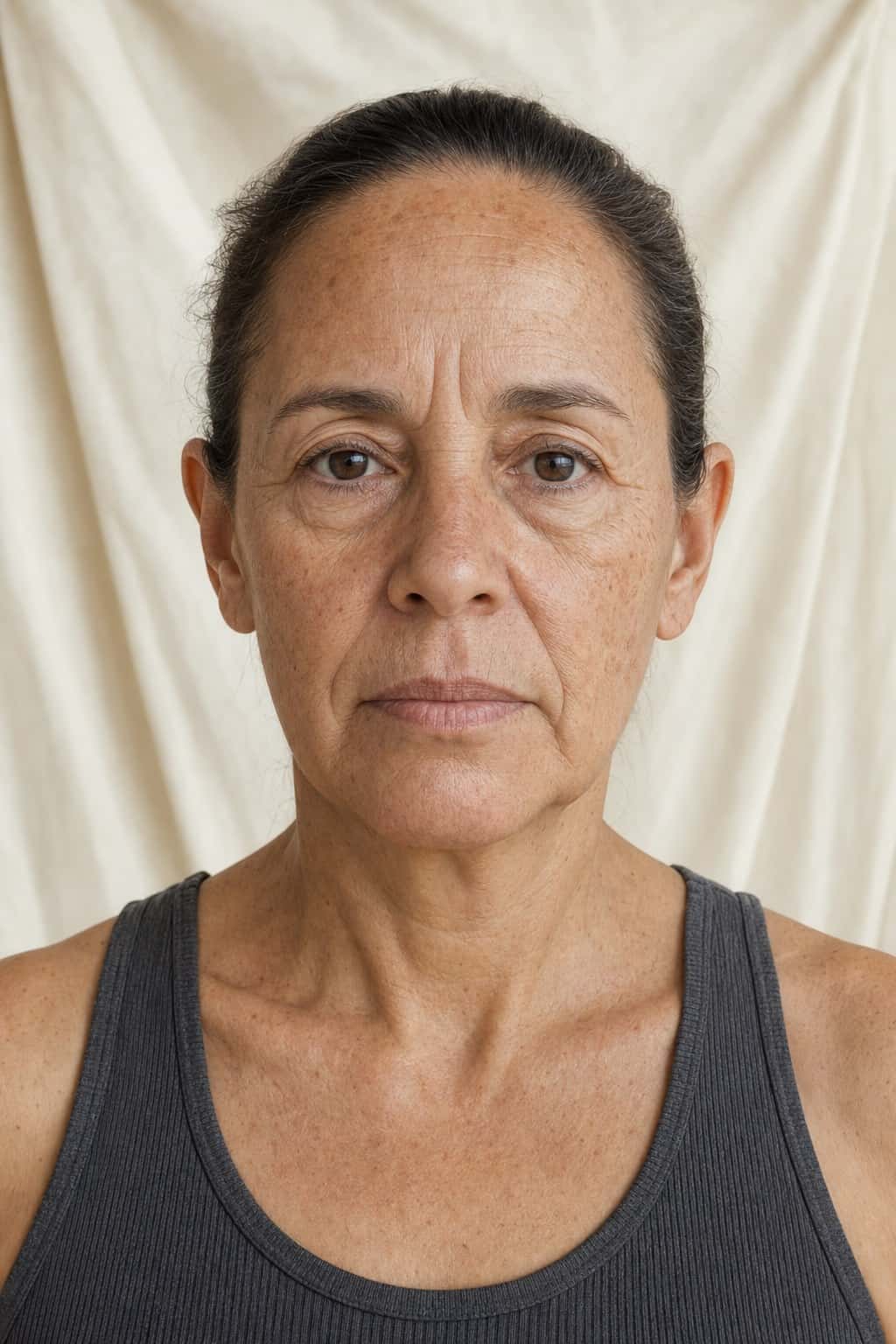
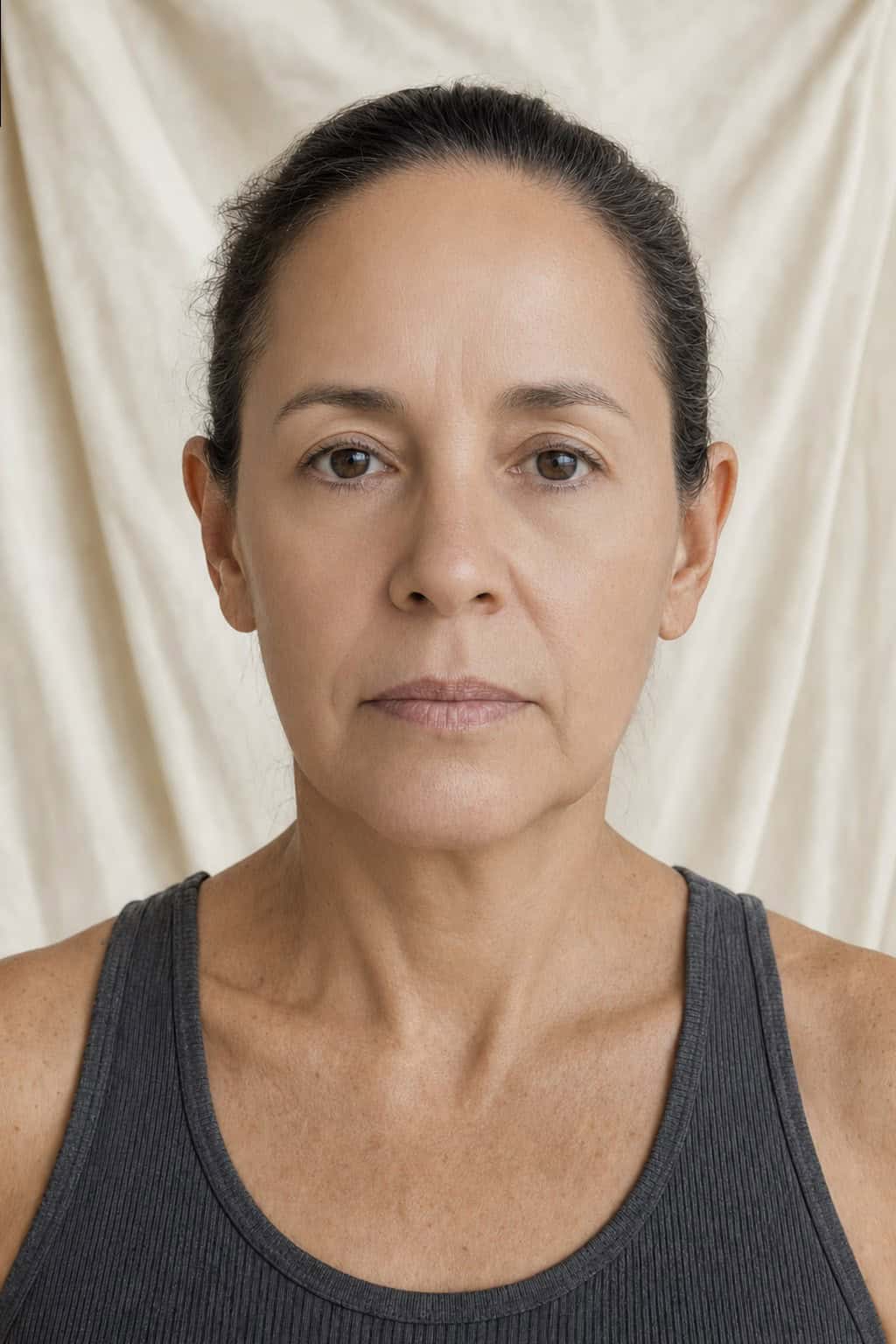

How it works
How does a patient preview a CO2 laser resurfacing result?
On your website or in your consult room: one front-facing photo, and a photorealistic before and after with a comparison slider about 3 to 4 minutes later. The photo is processed for the preview and never stored.
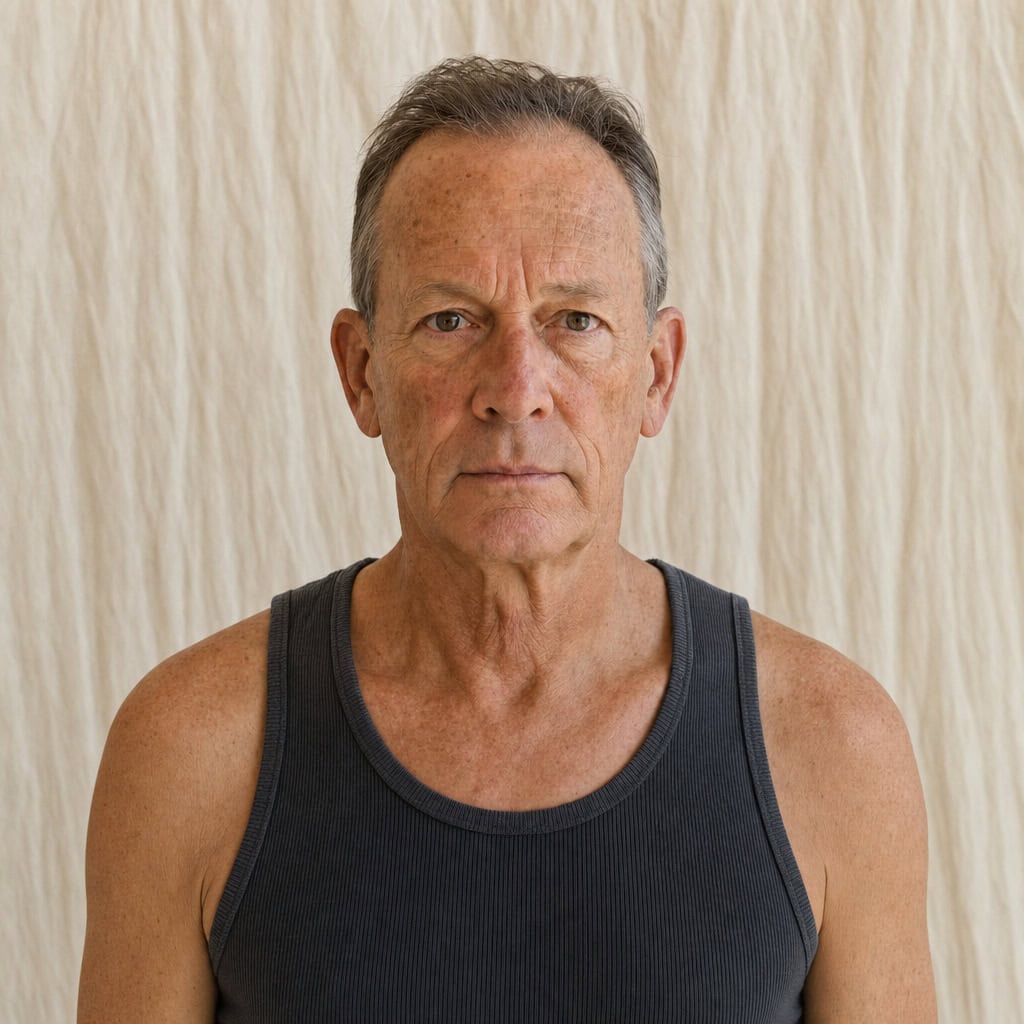
They upload a photo
Taken right on the page, following the widget’s on-screen guidance. There’s nothing to download and nothing to book first.
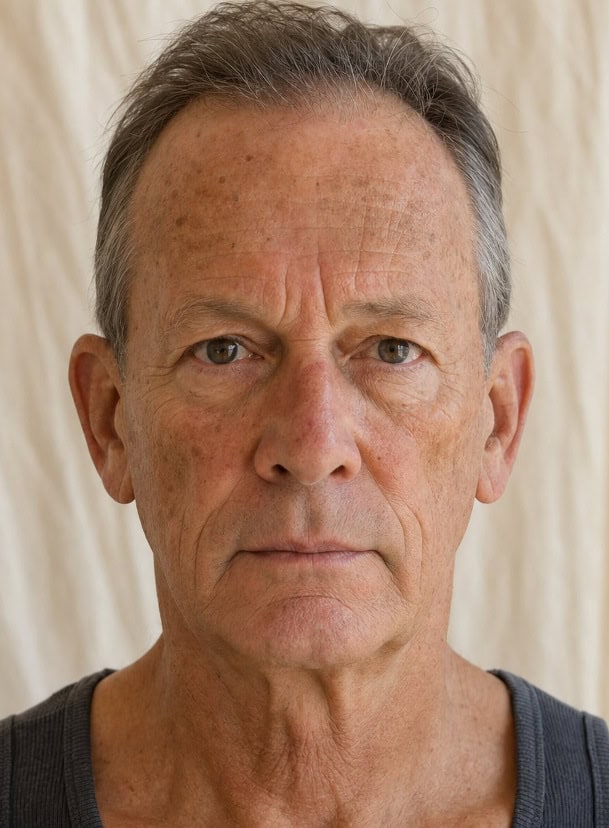
They see their result
A realistic AI preview of what CO2 laser resurfacing could look like on their own skin. The AI is tuned by a practicing plastic surgeon with decades of experience.
CO2 laser preview · 2 min on your site
You get the lead
They share their name and contact info with your practice before the preview renders. The lead lands in your CRM while they’re still looking at the result.
The live demo
Try it on your own photo.
The demo runs the same engine your patients would use. Open the live demo, upload a photo, watch the preview render in about 3 to 4 minutes, and judge the quality yourself.
Your photo generates one preview and is never stored. We follow up about PreviewMD by email. Unsubscribe anytime.


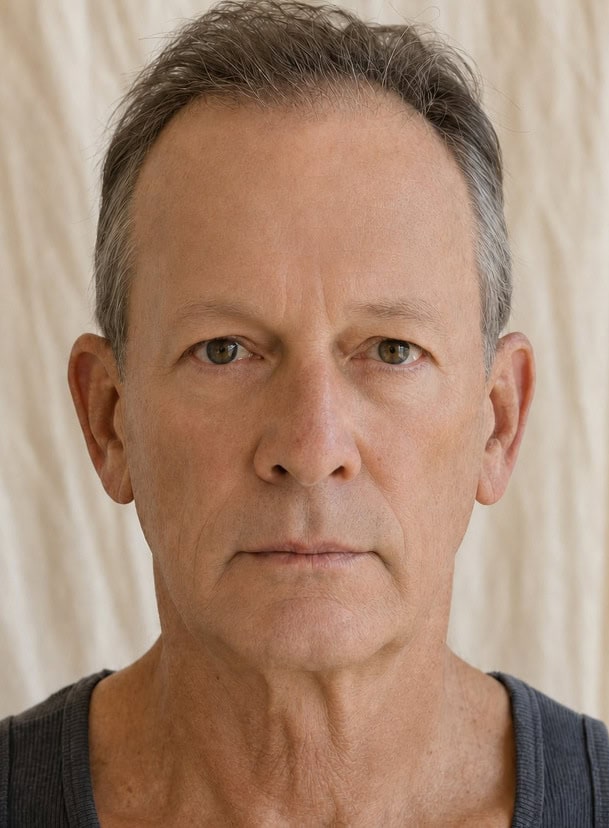
This is a real PreviewMD render.
It was made exactly the way your patients’ previews are made, on a computer-generated face rather than a patient. No retouching, no filter.

Why it reads like a laser result
A CO2 laser resurfaces the skin. Everything underneath it stays exactly where it was, and the preview has to show that.
The folds beside the mouth, the jowls, the jawline and the neck are all still there in the preview, because resurfacing doesn’t move them. The model is fine-tuned with a double board certified plastic surgeon, more than three decades in practice, and tuned separately for men and for women. What it changes is the surface: sun spots, wrinkling, and the crepey skin of the eyelids.

For your practice
Every preview is a lead.
Deep resurfacing means a real recovery, and a gallery of other patients’ results only ever shows somebody else’s face. The simulator shows a visitor their own likely result, on their own skin. Before the preview renders, they share their name and contact info with your practice.
The contact info goes straight into your CRM or EMR with the procedure attached; your dashboard shows every capture and the page it came from. Your coordinator follows up with a patient who has already tried the procedure on, and the consult starts from a shared picture instead of a blank page.
CO2 laser preview · 2 min on your site
Compared with 3D simulation
How is this different from 3D skin simulation?
Canfield and Crisalix both handle resurfacing with a skin-texture tool: you pick the whole face or draw an area, then drag a slider. Whoever is holding the mouse decides how much better the skin looks. PreviewMD works from post-operative photographs of this operation, so the amount of change is already set. For the wider picture, read what AI actually does in plastic surgery.
| 3D simulation |  PreviewMD PreviewMD | |
|---|---|---|
| Runs inside your own website | Partlya banner links out to their app | Yes |
| No hardware or capture session | Partlysoftware tools still need a photo session | Yes |
| Published monthly price | No | Yes |
| Every preview delivers a lead | Partlytheir patient app captures some | Yes |
| Setup | Three to six photos from set angles, or a camera system in the office | One photo, taken on the patient’s phone |
| Where it runs | In the consultation, or an app you send the patient to | Your website and your consult room |
| Output | Skin smoothed by hand, on a slider | Their own skin, changed by as much as this laser gives |
| Pricing | Quoted through sales | Public: $249–$999 per month, 14-day trial |
| Time to live | Onboarding and training, plus hardware for the camera systems | On your site the same day |
See how PreviewMD compares with Canfield VECTRA, Crisalix and Quantificare, or browse every comparison.

Questions
What practices ask.
What is the PreviewMD CO2 laser resurfacing simulator?
An AI tool your practice offers patients, on your website and in consults, that turns one photo into a photorealistic preview of a likely CO2 laser resurfacing result in about 3-4 minutes. It’s built for practices; patients use it through you, not through a consumer app.
How realistic are the CO2 laser resurfacing previews?
The model is fine-tuned with a double board certified plastic surgeon, more than three decades in practice, and tuned separately for men and for women because the skin behaves differently. The test a surgeon applies first is what the preview leaves alone: a render that tightened the jawline would be showing a facelift, not a laser, and it would be selling the wrong operation. This one holds the structure still and works only on the surface.
Does the simulator work for every patient’s skin tone?
No, and the widget says so before it renders anything. Deep CO2 laser resurfacing can permanently change pigment in darker skin, so the patient is asked to match their skin against a tone scale first. Where the laser isn’t right for their skin, they’re told that and pointed back to your practice rather than shown a result. They still reach you as a lead.
Does this model fractional CO2 or fully ablative CO2?
Fully ablative, deep CO2 laser resurfacing. What the preview shows is what that operation produces: how far the sun spots clear, how much of the wrinkling goes, how the eyelid skin behaves. A fractional treatment doesn’t produce the same ones, so it has its own separately validated model. See the fractional CO2 laser simulator.
What stops a patient treating the preview as a promise?
The widget tells them on the result screen, in plain words. Previews are visualizations that support the consultation: individual results vary, nothing is guaranteed, and what is achievable for a particular patient’s skin is the surgeon’s determination. The preview’s job is to start that conversation, not to settle it.
What will I look like after CO2 laser resurfacing?
The most direct way to find out is a preview rendered on your own photo. PreviewMD runs on plastic surgery practices’ websites: upload one photo there and see a realistic before and after in about 3-4 minutes. Ask your surgeon whether they offer PreviewMD on their site.
How does a patient use it on my website?
They tap the preview button, take or upload one photo following the widget’s on-screen guidance, share their name and contact info with your practice, and see their before and after with a comparison slider about 3-4 minutes later. You receive the lead either way.
What photos work best?
One clear, well-lit photo taken straight on, with hair back off the face and forehead and no glasses. A phone selfie works. The widget checks the photo before rendering and asks for a retake if it won’t produce a usable preview.
Does the simulator store patient photos?
No. Photos are processed to generate the preview and are not retained by PreviewMD.
Can I use it live in consultations?
Yes, and the consult room is where it works hardest. Render the patient’s before-and-after in the room, put it on a screen, and talk through what the laser addresses while they look at their own skin, not a stock photo.
What does the CO2 laser resurfacing simulator cost?
It’s included in every PreviewMD plan: $249 to $999 per month depending on preview volume and branding, with a 14-day free trial. Full details on the pricing page.
What other procedures can patients preview?
Each additional simulator ships only after the surgeon signing it off. To see every live simulator, check out the simulators page.


See your result before you decide.
14 days free on any plan. Card up front, cancel anytime.