Simulators · For practices
AI plastic surgery simulators, on the patient’s own photo.
The same thing happens behind every simulator: a patient uploads a photo, AI fine-tuned with a plastic surgeon renders the likely result, and your practice gets the lead. New procedures ship only after the surgeon signs them off.
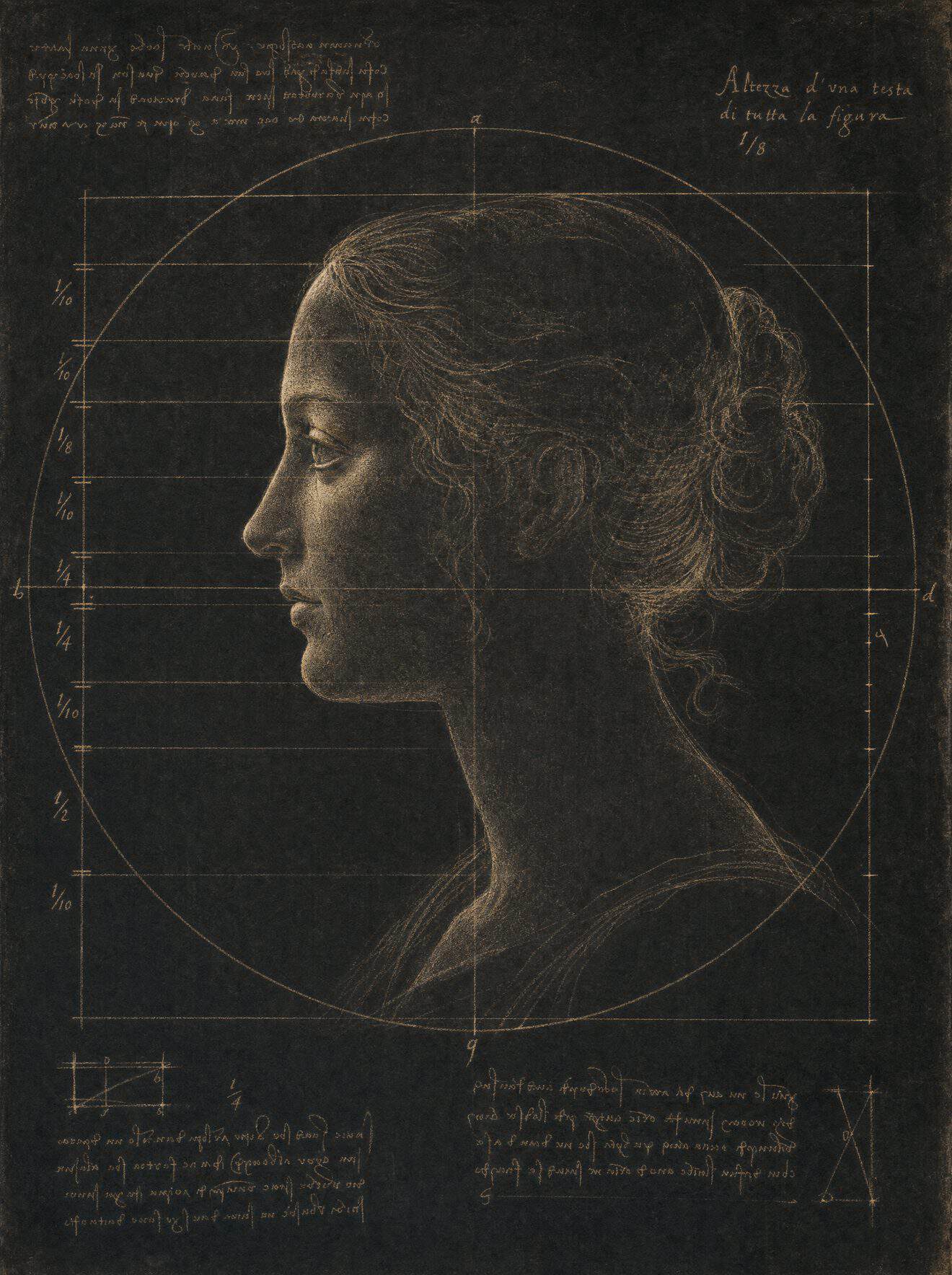
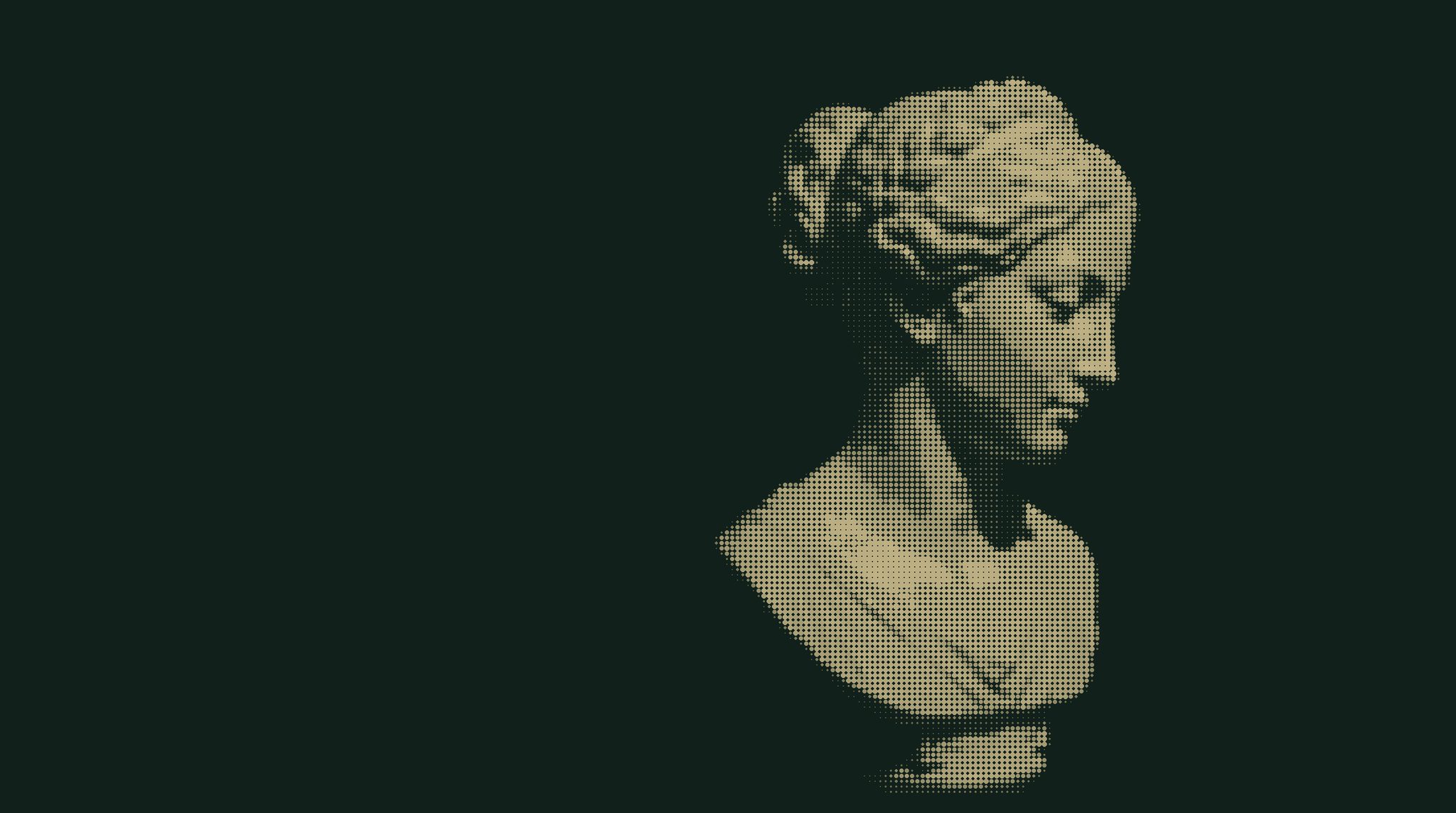
Proportion has been measured this way for five centuries. The model learns the same landmarks.

The facelift simulator
A photorealistic facelift preview from one photo, on your website and in your consult room.
See the simulator →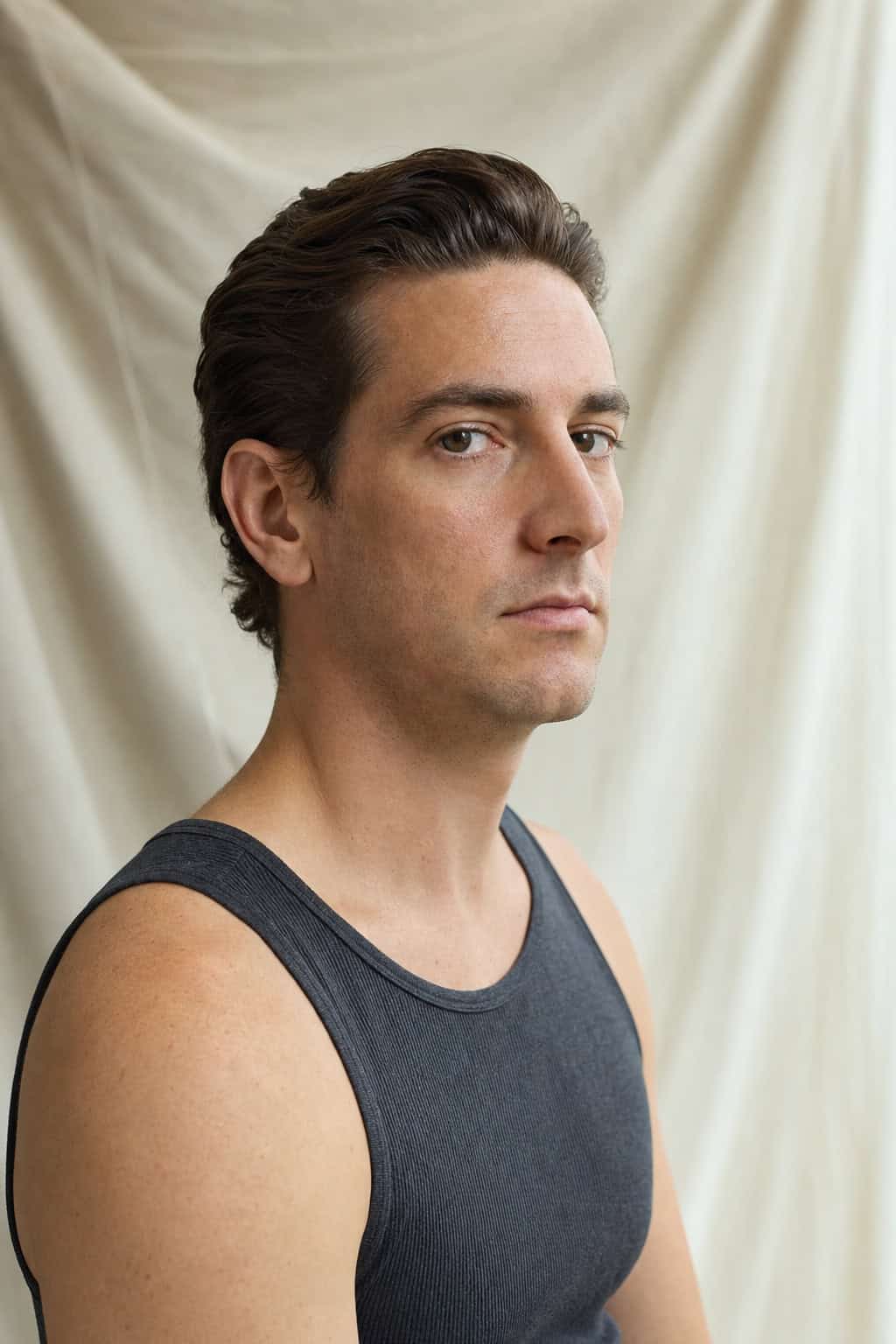
The rhinoplasty simulator
A photorealistic rhinoplasty preview from one photo, on your website and in your consult room.
See the simulator →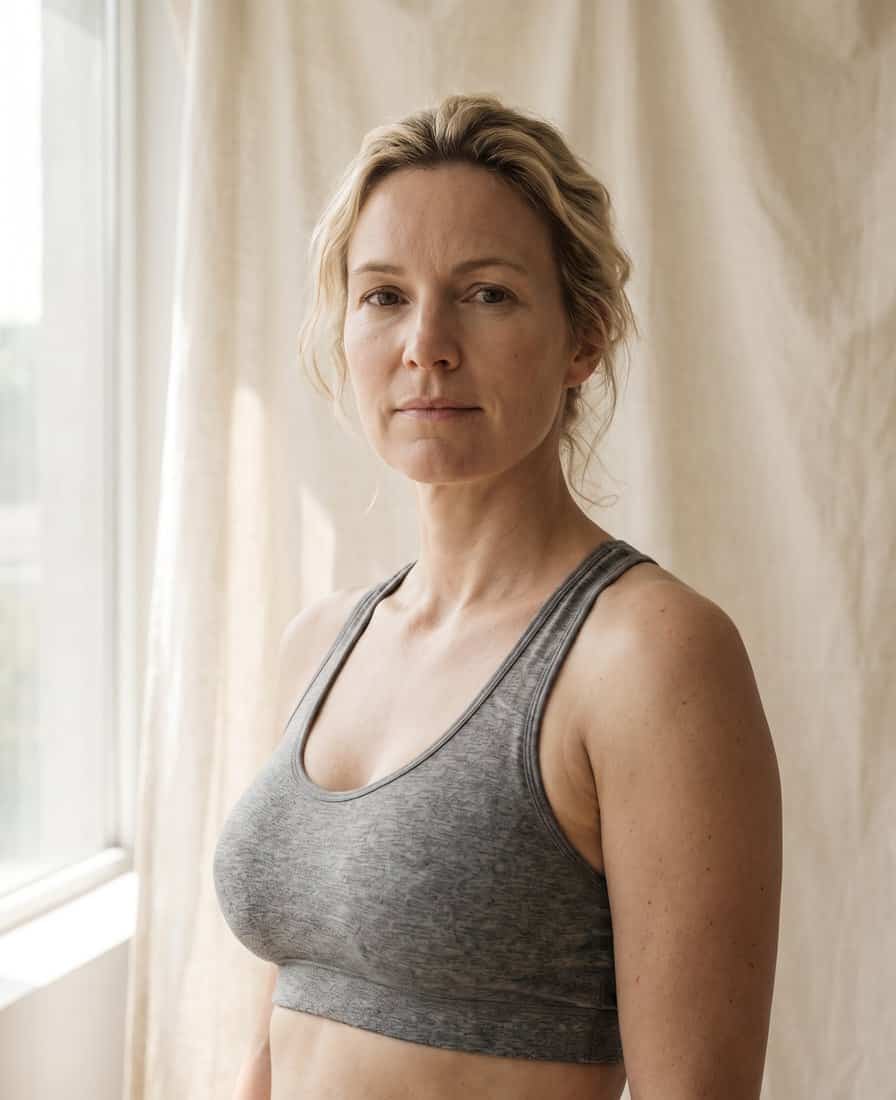
The breast augmentation simulator
She picks a size and shape direction and sees it on her own photo. The consult starts from a picture she chose.
See the simulator →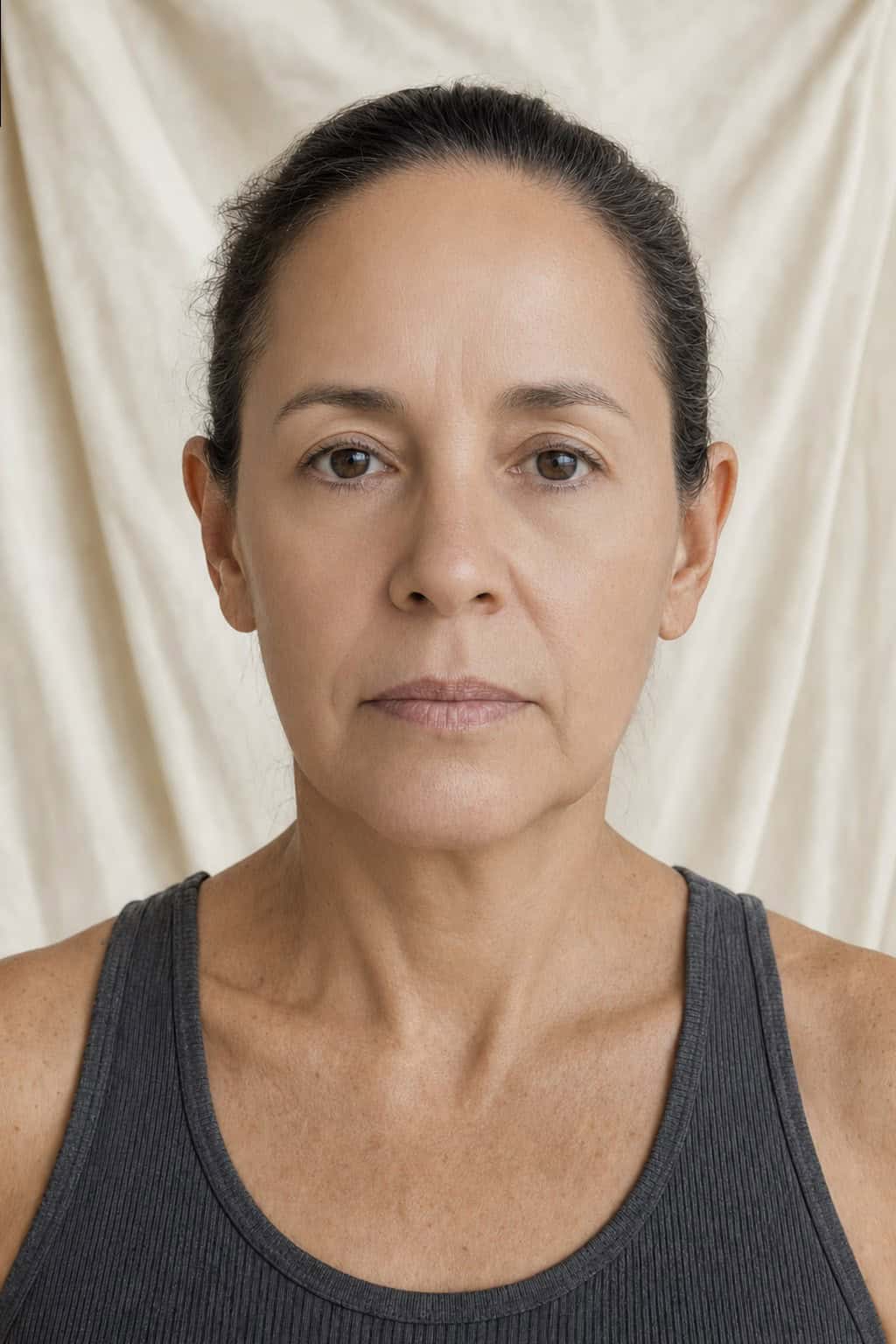
The CO2 laser resurfacing simulator
A photorealistic preview of what deep laser resurfacing takes off the skin, from one photo.
See the simulator →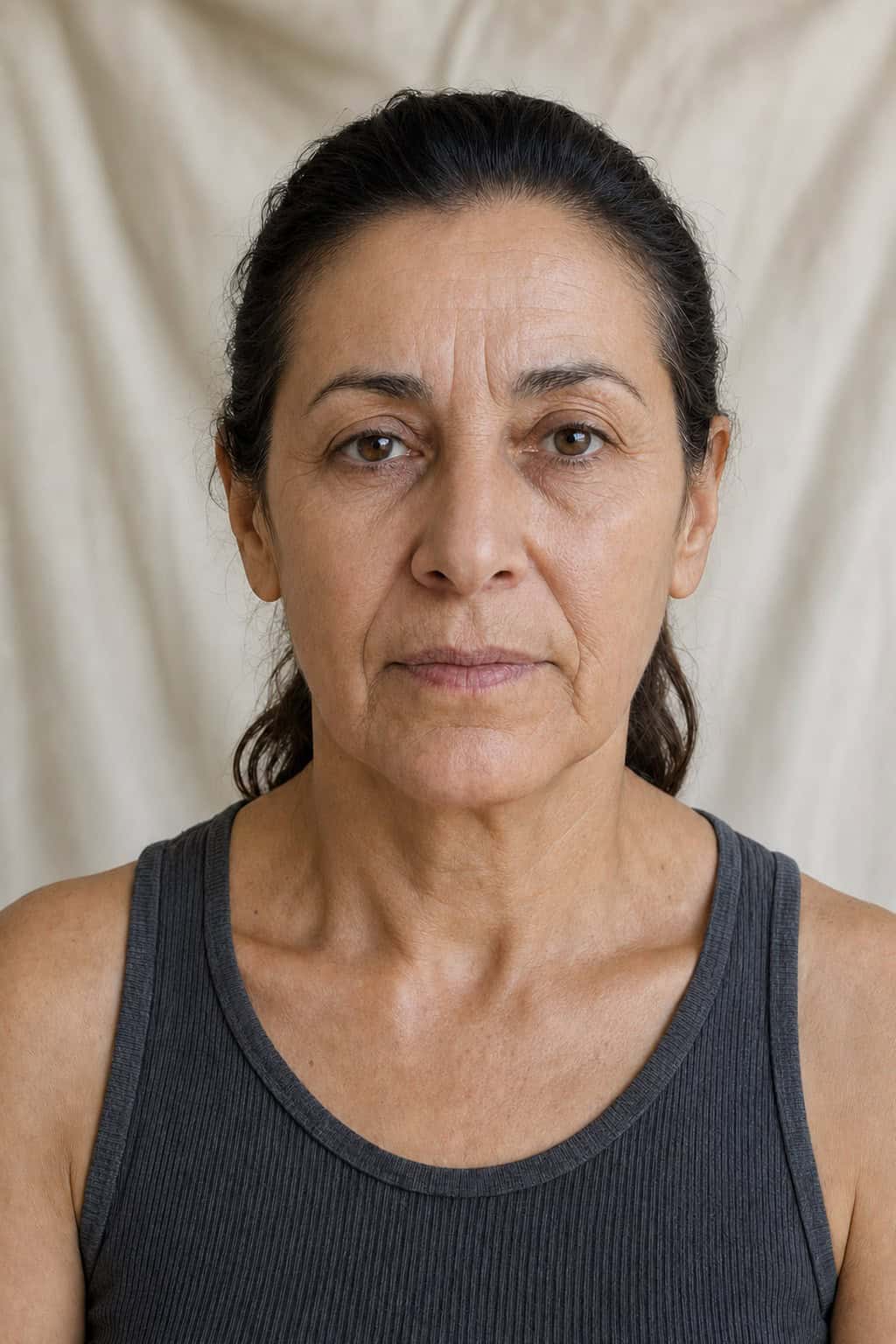
The fractional CO2 laser simulator
One pass of a fractional laser: the colour clears and the lines soften, on the patient’s own photo.
See the simulator →What every simulator shares
What every simulator has underneath it.
Every PreviewMD simulator uses the same AI, fine-tuned with a plastic surgeon in practice for more than thirty years, and built separately for men and for women because the anatomy differs. A patient uploads one front-facing photo on your website, and three to four minutes later they see a photorealistic before and after of their own face or figure. The photo is used to build that preview and is never stored. What changes from one procedure to the next is the surgeon’s correction: which features move, how far they are allowed to move, and what the result should stop short of. That correction is why the procedure list grows slowly.
How a procedure gets added
A simulator ships when the surgeon stops correcting it.
The model is tuned on the procedure
Separately for men and for women, on the landmarks that particular operation actually moves.
The surgeon grades the output
Real cases, rendered and marked up. Where the anatomy behaves in a way surgery would not, it goes back.
It ships, or it waits
A procedure only appears on this page once the corrections stop. That is why the list is short.
More procedures are in validation.
Every new simulator goes through the same work: the AI model is fine-tuned with a practicing plastic surgeon until the anatomy behaves the way it would in surgery. We would rather ship a short list a practice can trust than a long one it has to apologise for.

Questions
What practices ask about the simulators.
What is an AI plastic surgery simulator?
It is software that shows a patient what their own likely result could look like before they have had anything done. PreviewMD’s version works from one front-facing photo the patient uploads on a practice’s website, and returns a photorealistic before and after in about three to four minutes. It is not a 3D scan and needs no camera system: the patient uses the phone or laptop they already have.
Which procedures does PreviewMD simulate today?
Every live PreviewMD simulator is listed on the simulators page. A procedure ships only after a plastic surgeon has corrected the model for it and those corrections stop, so what’s listed is what a practice can sell against today.
How accurate is an AI simulation of surgery?
It is a preview, not a promise, and no simulator can commit a surgeon to an outcome. What separates them is what the model was corrected against. PreviewMD’s is fine-tuned with a plastic surgeon in practice over thirty years, separately for men and for women, and a procedure ships only when his corrections stop. Every preview a patient sees carries that framing on screen, and the surgeon still owns the conversation that follows.
Do patients need an appointment to use a simulator?
No, and that is the point of putting it on the website. A visitor who has never contacted the practice can preview their own result, and their name and email reach the practice’s CRM before the result appears on their screen. The same subscription also runs previews live in the consult room for patients who are already in the chair.
What happens to the photo a patient uploads?
It is used to build that preview and is not stored afterwards. There is no gallery of patient faces behind PreviewMD, which is also why there is nothing for a business associate agreement to cover. The full detail, itemised by data type, is on the privacy and security page.

See your result before you decide.
14 days free on any plan. Card up front, cancel anytime.